
-
Archives
- June 2026
- April 2026
- February 2026
- January 2026
- December 2025
- November 2025
- October 2025
- September 2025
- August 2025
- July 2025
- June 2025
- May 2025
- April 2025
- February 2025
- December 2024
- November 2024
- October 2024
- September 2024
- August 2024
- June 2024
- May 2024
- April 2024
- March 2024
- February 2024
- January 2024
- December 2023
- November 2023
- October 2023
- September 2023
- August 2023
- July 2023
- June 2023
- May 2023
- April 2023
- March 2023
- February 2023
- January 2023
- December 2022
- November 2022
- October 2022
- September 2022
- August 2022
- July 2022
- June 2022
- May 2022
- April 2022
- March 2022
- February 2022
- January 2022
- December 2021
- November 2021
- October 2021
- September 2021
- August 2021
- July 2021
- June 2021
- May 2021
- April 2021
- March 2021
- February 2021
- January 2021
- December 2020
- November 2020
- October 2020
- September 2020
- August 2020
- July 2020
- June 2020
- May 2020
- April 2020
- March 2020
- February 2020
- January 2020
- December 2019
- November 2019
- October 2019
- September 2019
- August 2019
- July 2019
- June 2019
- May 2019
- April 2019
- March 2019
- February 2019
- January 2019
- December 2018
- November 2018
- October 2018
- September 2018
- August 2018
- July 2018
- June 2018
- May 2018
- April 2018
- March 2018
- February 2018
- January 2018
- December 2017
- November 2017
- October 2017
- September 2017
- August 2017
- July 2017
- June 2017
- May 2017
- April 2017
- March 2017
- February 2017
- January 2017
- December 2016
- November 2016
- October 2016
- September 2016
- August 2016
- July 2016
- June 2016
- May 2016
- April 2016
- March 2016
- February 2016
- November 2015
- October 2015
- September 2015
- August 2015
- July 2015
- June 2015
- May 2015
- April 2015
- March 2015
- February 2015
- January 2015
- December 2014
- November 2014
- October 2014
- September 2014
- August 2014
- July 2014
- June 2014
- May 2014
- April 2014
- March 2014
- February 2014
- January 2014
- December 2013
- November 2013
- October 2013
- September 2013
- August 2013
- July 2013
- June 2013
- May 2013
- April 2013
- March 2013
- February 2013
- January 2013
- December 2012
- November 2012
- October 2012
- September 2012
- August 2012
- July 2012
- June 2012
- May 2012
- April 2012
- March 2012
- February 2012
- January 2012
- December 2011
- November 2011
- October 2011
- September 2011
- August 2011
- July 2011
- June 2011
- May 2011
- April 2011
- March 2011
- February 2011
- January 2011
- December 2010
- November 2010
- October 2010
- September 2010
- August 2010
- July 2010
- June 2010
- May 2010
- April 2010
- March 2010
- February 2010
- January 2010
- December 2009
- November 2009
- October 2009
- September 2009
- August 2009
- July 2009
- June 2009
- May 2009
- April 2009
- March 2009
- February 2009
- January 2009
- December 2008
- November 2008
- October 2008
- September 2008
- August 2008
- July 2008
- June 2008
- May 2008
- April 2008
- March 2008
- February 2008
- January 2008
- December 2007
- November 2007
- October 2007
- September 2007
- August 2007
- July 2007
- June 2007
- May 2007
- April 2007
- March 2007
- February 2007
- January 2007
- November 2006
- October 2006
- September 2006
- August 2006
- July 2006
- June 2006
- May 2006
- April 2006
- March 2006
- February 2006
- January 2006
- December 2005
- November 2005
-
Meta
August Hurricane
Posted in Uncategorized
Leave a comment
Pork marinade

I made a spectacular dinner the other night. Marinade pork medallions for a few hours.. It was pure awesomeness.
Posted in Uncategorized
Leave a comment
Mexican fix / Mexican logic

Save 30 cents by not buying a new fuse. Spend $100 on a new starter by not buying a new fuse.
Posted in Uncategorized
Leave a comment
Italia 2015
We got our tickets to London for September 30th tonight! They were a bit behind schedule, but we are very happy to have them.
We plan on flying into London on Wednesday, September 30th and then meet up with Matt and Dana in northern Italy on the 3rd of October. We each agreed to work on an itinerary to share by next Friday. Below reflects our efforts:
Wednesday, September 30th: Depart Hermosillo 1.30pm
Thursday, October 1st: Bergamo (if we don’t stay in London for a few days)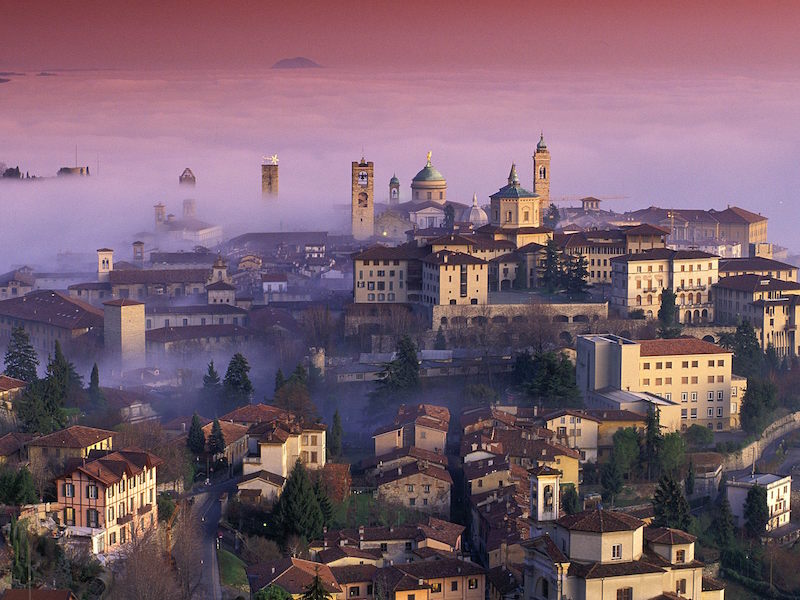
For a RyanAir destination, this places looks pretty legit. It gets pretty favorable reviews for a place to check out.
Loft €69/night
Great location in old town €100/night
Another great location with spectacular reviews €100/night
Modern
Friday, October 2nd: Bergamo:
Trattoria Camozzi da Claudio
Relais San Lorenzo
Il Coccio
Saturday, October 3rd: Bergamo: Meet Matt and Dana at the airport, depart for Como on Lake Como.
Bus to Monza / Train to Como (less than a couple hours)Nice apartment in the heart of the city
Incredible view!
Also incredible view!
Wow. I love this one.
Sunday October 4th: Como
La Colombetta
La Vita e’ Bella
Monday, October 5th: Como / depart for ??
Posted in Uncategorized
Leave a comment
Happening right now
Italy or Germany? This will be decided this week. We are doing our research now.
Posted in Uncategorized
Leave a comment
Loves the hunt

Ever since she’s had the taste of lizard in her mouth, she loves the hunt. They tracked one down into the bushes again this afternoon.
Posted in Uncategorized
Leave a comment
Random foto

I am currently driving home. Moments ago I watched another car nearly merge into this motorcycle and he came within inches of his life. As we came to the light, I turned to him and nodded in honor of yet one more day of life. He nodded back. It was a very cool moment.
Posted in Uncategorized
Leave a comment
Los Cimarrones

We went to our first Mexican soccer game last night. Our next door neighbors David and Ari invited us. It was a lot of fun. I would definitely go again. David’s dad actually owns the team and they’re hardcore footballers.

Posted in Uncategorized
Leave a comment
The Shadow of Christ in the Law of Moses
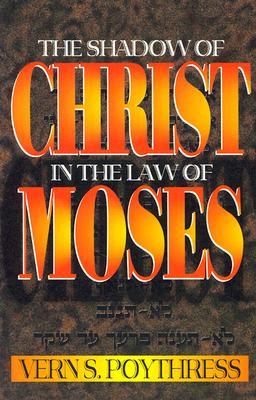
As I proceed toward the Mosaic covenant, I thought it would be helpful to re-read Poythress‘ The Shadow of Christ in the Law of Moses. There are so few books that I am familiar with on this subject. I really like the writings of Poythress and I think it will be worth my time to revisit this book.
Helpful quotes for consideration:
The land is God’s own land; the people are only tenants (Lev. 25:23-24). Because the land is particularly associated with God, it is in a broad sense holy and will be defiled by gross sins (Lev. 18:24-28). The land is the land “where I dwell, for I, the LORD, dwell among the Israelites” (Num. 35:34). The land as the dwelling of God is analogous to the tabernacle and the temple, which are the dwelling of God in a more intensive sense. The small piece of land occupied by the temple is replicated on a large scale by the land as a whole. Thus we should not be surprised that the land is large-scale embodiment of the principles of the tabernacle. Defilement of the land corresponds to defilement of the tabernacle, and cleansing of the land, as in Num. 35:33-34, corresponds to cleansing the tabernacle. The people as a whole, who live on the land, are analogous to the priests who offer special service in the tabernacle.
Heaven is the dwelling of God. Is the land analogous to heaven? Heb. 11:14-16 says that the promise of land to Abraham caused him and his descendants to be “looking for a country of their own. If they had been thinking of the country they had left, they would have had opportunity to return. Instead, they were longing for a better country–a heavenly one.” Thus Abraham himself discerned that the land of Palestine was a shadow of a final heavenly dwelling place.
The law expresses God’s rule in at least three complementary ways. First, it publishes and imposes an order, a system of regularity, righteousness, and fitness. It specifies the way life is to be lived within God’s dominion and the distinctions and orders that are to be preserved. Second, it expresses the character of God and opens to Israel a personal communion with God the speaker. God’s communication to Israel embodies an intimacy with Israel unlike his relation to other nations (cf. Ps. 147:19-20). Third, it expresses the awesomeness of punishments and judgments that fall on people who are disobedient and unholy, and the rewards for the obedient.
Christ brought to fulfillment the three sides of God’s rule that we have already seen. He brought to expression the order of God’s life by his example, his teaching, and the teaching of the apostles sent by him. He also opened the way to a new depth of communion and personal fellowship with God as he revealed to us the very character of God. He is “the radiance of God’s glory and the exact representation of his being” (Heb. 1:3). And he made the definitive atoning sacrifice for sins when he died on the cross, thus satisfying the law’s penalties for disobedience.
The people of Israel themselves are a kind of small-scale version of a renewed humanity; but their disobedience shows how they fall short.
The laws for cleanness and uncleanness fit into this picture in a natural way. They signify and foreshadow the way in which God cleanses sin. They show that a renewed or recreated people are characterized by renewed behavior, behavior conforming to God’s order and separating them from sin.
Such an analogy between Israel and us does indeed exist, as Paul affirms in 1 Cor. 10:1-13. But it is a symbolical analogy, an analogy between two levels, like the ceremonial analogies of the so-called ceremonial laws. Hence the Christ-centered analogies of the ceremonies and the permanency of moral demands are inextricably linked.
Posted in books, studies
Leave a comment
Genesis 15 and 17
I recently finished the book Abraham, Israel, and the Nations. The timing was perfect as it was a spectacular help in my preparations for my group study on covenants. Upon completion, I came to the realization that the author Paul Williamson is also the author of another book I have on the subject entitled Sealed with an Oath: Covenant in God’s Unfolding Purpose. I bought this book nearly a decade earlier on a visit to Dublin when Dana took us to a book store. This other book is much broader in scope and I suspect will also be an excellent addition to the study.
Here are some remaining extractions which I hope to raise for discussion in the group:
“Thus by changing the names of Abraham and Sarah, God was apparently heralding a change in their covenantal status. Abraham was no longer to be simply the father of one nation, albeit one that would be ‘great’ (Gen. 12.2) and ‘numerous’ (Gen. 13.16; 15.5); rather he and Sarah (cf. Gen. 17.16) would be the ancestors of ‘a multitude of nations’ (17.4). Therefore this important transition or change in Abra- ham and Sarah’s status clearly marks out the ‘covenant of circumcision’ as a new development in God’s covenantal dealings with Abraham.”
“Further evidence that this is indeed the case is found by Keil in the fact that even in Genesis 17 the covenant sign of circumcision was not confined to Abraham’s physical offspring, but extended to his entire household; that is, ‘his son Ishmael and all the slaves born in his house or bought with his money, every male among the men of Abraham’s house’ (v. 23, NRSV). Such an application of the sign of God’s covenant to these other members of Abraham’s household suggests that, like Ishmael, they enjoyed some sort of covenantal status; in some sense they too were included within the focus of this particular covenant.”
“Since v. 14 excludes from the terms of the covenant any male who, for whatever reason, has not been circumcised, it is evident that submission to the rite is presented in Genesis 17 as absolutely essential for every male member of the Abrahamic household or community. Any uncircumcised male was automatically in breach of the covenant and consequently excluded from the special divine-human relationship in- trinsic to it. However, it is unlikely that the physical sign per se implied that one was a member of the covenant community, given that circumcision was practised so widely in the ancient Near East. Furthermore, as well as being hopelessly inadequate to identify publicly the male members of the covenant family or community, circumcision apparently left the female members with no identifying label at all. Together these facts make it difficult to interpret circumcision in Genesis 17 either as a badge of identification or an initiation or ratification rite. The first makes the covenant too broad; the latter makes it too narrow.”
“It has been established, therefore, that the covenant spoken of in Genesis 17 differs from that depicted in Genesis 15 in at least three important respects: (1) it incorporates different foci; viz. promises of international significance, royal descendants, and a divine-human relationship; (2) it involves human as well as divine obligations; viz. the ethical obligation of moral blamelessness and the ritual obligation of circumcision; (3) it is of a more permanent character; viz. it is described as ‘everlasting’. For these reasons alone one should be most reluctant to equate the two covenants of which the chapters speak. In terms of promissory focus, the author and/or final editor of Genesis clearly distinguishes them.”
“Whereas Ishmael, as part of Abraham’s family, was himself included within the covenant community, this covenantal status was not explicitly extended to his progeny, as is clearly so in the case of Isaac (Gen. 17.19). Thus this eternal covenant was to be perpetuated exclusively through Isaac’s ‘seed’. It was in and through them (i.e. the special Abrahamic line of descent, beginning with Isaac) that the promissory aspects of this covenant would find fulfilment.”
Exodus 6:2-5
God also said to Moses, “I am the Lord. 3I appeared to Abraham, to Isaac and to Jacob as God Almighty,a but by my name the Lordb I did not make myself fully known to them. 4I also established my covenant with them to give them the land of Canaan, where they resided as foreigners. 5Moreover, I have heard the groaning of the Israelites, whom the Egyptians are enslaving, and I have remembered my covenant.It is undeniable, therefore, that the promised blessing is inextricably bound up with the concept of ‘seed’. This connection between the binding of Isaac, the promised heir of Abraham, and the blessing trans- ferred to Abraham’s promised ‘seed’ is of key importance. It was by obediently surrendering his promised heir that Abraham secured the blessing of his promised ‘seed’. The blessing promised here will find fulfilment not in Abraham himself, but rather in his ‘seed’.
Although Gen. 24.1 indicates that Abra- ham had experienced the divine blessing promised in Gen. 12.2, it is nevertheless clear that this statement needs qualification: the fulfilment relates only to blessing on a personal level (i.e. as relating to posterity and prosperity). Obviously the fulfilment of the larger dimensions of the promise (i.e. national and international blessing) is not to be sought within the lifetime of Abraham (or even within the book of Genesis as a whole). Thus, given the future dimension of both major elements of the promise in the book of Genesis, and the fact that the realization of the second promissory element was dependent on the realization of the first, it is natural that the divine guarantee in Gen. 22.16-18 should encompass the promise of nationhood.
The next incident, Abraham’s rescue of Lot and his encounter with Melchizedek, is significant in relation to the promise of nationhood for two reasons: not only does it present Abraham acting as a king himself, but it also introduces us to the priest-kings of Salem, with whom the royal line descended from Abraham was ultimately identified (cf. Ps. 110.4). Thus in Genesis 14 the prospect of Abraham becoming a ‘great nation’ and having a ‘great name’ is to some measure foreshadowed.129 Yet it is only foreshadowed, for, as the following chapter makes clear, this promise of nationhood will not be fulfilled either in Abraham’s lifetime (15.15) or in the immediate future (cf. 15.13, 16).
It is this potential for confusion which necessitated the announcement in Genesis 17 that God would establish (i.e. perpetuate) a covenant, not with Ishmael, but with Isaac, the son who was yet to be born to Sarah (17.19-21). Unlike the earlier ‘covenant between the pieces’, however, this ‘eternal covenant’ involves mutual obligations, and en- compasses more than the promise of nationhood. This covenant con- cerns primarily the other main aspect of the divine promissory agenda set out in Gen. 12.1-3; viz. the promise that ‘through Abraham all the familes of the ground would obtain blessing’. Little, if any, attention has been paid to this international aspect of the divine programme involving Abraham in the intervening narrative.
Once again Abraham places in jeopardy all the promises, but primarily that relating to the promised ‘seed’, by the deceitful ploy of passing his wife off as his sister (20.1-18). Yet again God intervenes (cf. 20.18; 21.1), and the son promised to Abraham and Sarah is born at last (21.1-7). The special line of Abrahamic ‘seed’, anticipated in ch. 17, is finally established.
In the final composition of the book of Genesis, therefore, chs. 15 and 17 serve to introduce two separate yet related covenants. Together, these covenants solemnly guarantee that the divine promises made to the patriarch at the beginning of the Abraham narrative (12.1-3) will be fulfilled.
While these covenants have their own distinctive emphases they are not unrelated. Rather, they are connected: a royal descendant will come from the nation, and through this individual ‘seed’ of Abraham ‘all the nations of the earth will experience/acquire for themselves blessing’.
This suggests that whereas the promise of Abraham becom- ing ‘father of many nations’ is dependent in some way on the promise of ‘nationhood’, the latter is not dependent on the former. Abraham could become a ‘great nation’ without necessarily becoming ‘father of a multitude of nations’. He could not, however, become ‘father of a multitude of nations’ unless he first became the father of a ‘great nation’. The promise of nationhood, therefore, has chronological priority over the promise relating to the nations. The latter is dependent on the for- mer.
Thirdly, the different emphases in Genesis 15 and 17 mirror the two separate strands set out in the promissory agenda of Gen. 12.1-3. Each covenant picks up different aspects from the divine programme of anticipated blessing. Genesis 15 concentrates on the divine promise to make Abraham a ‘great nation’, whereas Genesis 17 focuses more on the divine promise that through Abraham ‘all the families of the ground will experience blessing’. Although these promissory aspects are to some degree related, each covenant pericope serves a different function within its present literary context. Genesis 15 guarantees the fulfilment of the first promissory aspect outlined in Gen. 12.1-3 (i.e. nationhood). Genesis 17, while encompassing this promissory aspect, anticipates a similar divine guarantee in relation to the second promise in the pro-grammatic agenda (i.e. the blessing of the nations). Such anticipation was necessitated by the need for clarification in relation to the identity of Abraham’s ‘seed’ and ‘covenant heir’.
As in the primaeval narrative and the post-Abrahamic patriarchal material,6 alternative lines of ‘seed’ are contrasted with the special line of ‘seed’ through which the catastrophe of Genesis 3 will be reversed and God’s creative purposes for all humankind realized.
This, in turn, would explain the transference of the Abrahamic promises to a future Davidic king in Psalm 72. In other words, the Davidic covenant serves to identify at a later stage in Genesis-Kings the promised line of ‘seed’ which will mediate blessing to all the nations of the earth.
How do subsequent divine-human covenants in Genesis- Kings relate to the covenants established between God and Abraham? To what extent are the distinctive promissory emphases of each cove- nant pericope (Gen. 15 and 17) fulfilled in Genesis-Kings? Is the ‘cove- nant between the pieces’ superseded in Genesis-Kings by the ‘covenant of circumcision’? While these issues lie outside the parameters of the present study, the fact that the relationship between Genesis 15 and 17 does have such widespread ramifications underlines how important this investigation is. As well as impinging on a theological appreciation of the Hebrew Bible, it has a significant bearing on the relationship between the two Testaments of the Christian Bible.
Posted in books, studies
Leave a comment